Sorting the room is guesswork
Forty players, wildly different decks, and one person at the counter deciding who sits where. Put a precon across from a tuned list and you've quietly ended somebody's first night.
 TurnZero
Set Up Your Store
TurnZero
Set Up Your Store
And a lot more fun.
TurnZero handles the part nobody opened a shop to do — sorting the room into tables that actually work, keeping track of who's playing and who's waiting, getting players onto Companion without chasing them. What's left is a night your regulars would feel bad about missing.
$39.99/month · Unlimited nights · Commander, Draft & Standard · Free Commander Cube
If this is your Thursday
Nobody opened a game store to do this part. It's just what's left over once the players are in the room.
Forty players, wildly different decks, and one person at the counter deciding who sits where. Put a precon across from a tuned list and you've quietly ended somebody's first night.
Who's here, who's mid-game, who's been standing by the wall for forty minutes waiting for a seat. It lives on a clipboard and in your memory, and both fill up.
You need people on the app and checked into the event, so you ask, and re-ask, and end up chasing the last six players around the shop while you're trying to close.
The absurd turn, the comeback, who beat who — gone when the cards go back in the box. Next Thursday starts from zero, and so does everyone's reason to show up.
The hard part, handled
Getting the right four people at a table is the difference between a regular and a one-timer. It's also the job that takes your best staff member out of circulation for twenty minutes.
TurnZero builds pods by deck power level, so the precon someone picked up last week doesn't sit down across from a tuned list. The new player has a real game. The spike gets a real game. Neither of them leaves thinking this shop's night isn't for them.
Within a power bracket, players are shuffled — so your regulars get a different table this week instead of the same four faces every Thursday. That's not a small thing: new tables are how a room full of strangers turns into a room full of people who know each other.
One action seats the entire room. Between rounds you can reshuffle without touching a table that's mid-game, and you can always move somebody by hand — a friend group who came together stays together.
What that gets you
Keeping track of everyone
Players check themselves in by scanning a code at the counter. From there, the event keeps its own register.
The floor as it's actually arranged, one card per table, seats shown as pips — so a table that's a player short is obvious from behind the counter instead of on a lap of the shop.
Waiting players sit in a list, not against a wall. TurnZero points at the table that should fill next, so games finish four-handed instead of three pods all stalling one short.
Returning players arrive with their deck, name and history already attached. Your counter goes back to selling singles instead of taking down names.
Wizards Companion & EventLink
Getting players onto Companion is a real obligation and a genuinely annoying one, because it always happens at the worst moment — while you're trying to start or close the event.
TurnZero moves it to the moment players are already on their phone. They're scanning to join your event anyway, so getting set up on Companion happens right there, as part of arriving — not as a favour you have to ask for twice at the counter.
Then the host gets a live roster: who's set up on Companion, their handle or DCI number, and who's confirmed they joined the event. Outstanding players sort to the top, so the six people you actually have to go find are always the six you're looking at. Closing the event stops being a lap of the shop.
There is no public Companion API, so no software can verify a check-in or submit your event for you — TurnZero included.
What TurnZero does is get more of your players set up in the first place, and build the accurate list you reconcile against EventLink while the room is still full and the gaps can still be closed.
Why they come back
Nobody drives across town for efficient pairings. They come back because something happened here, to them, with people whose names they now know — and because next week is the rematch.
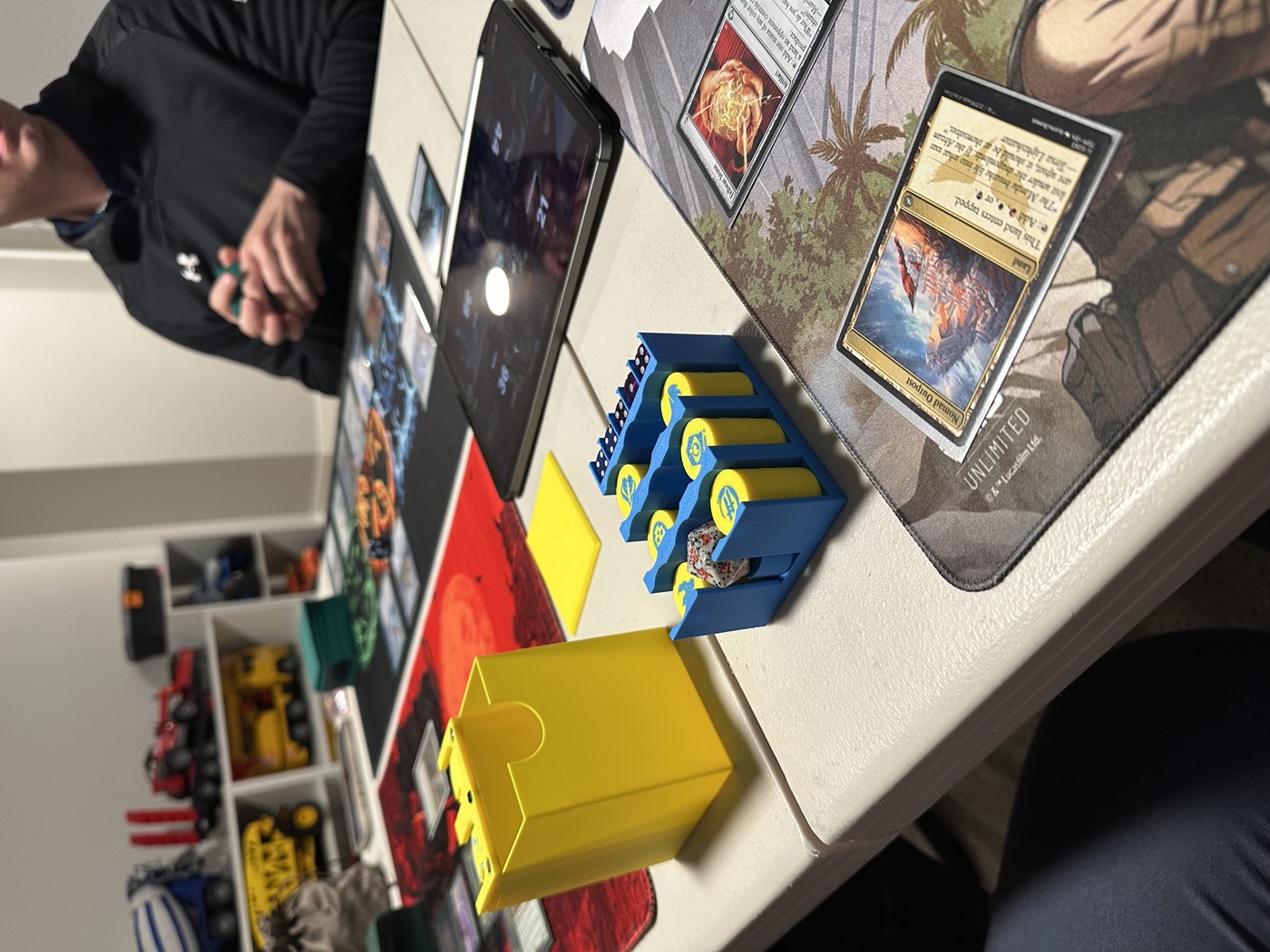
The impossible turn, the table-wide groan, the topdeck nobody believed — saved with a photo and the card that did it, and up on the wall before the game is even packed away.
Decks, records and history follow players between visits. Last week's beating is on the record, which is exactly why they're back this week to settle it.
Shuffled tables mean players meet people they'd never have sat with. That's how a room of regulars forms — and regulars are the whole business.
A new player gets a table where their deck stands a chance and a phone that explains what's happening. The most fragile customer you have makes it to week two.
Standings and a write-up of the night go out while players are still in the shop. The last thing they see is the night they just had, not an empty calendar.
The AI judge answers stack and interaction questions with the rules it cited, so a table argument doesn't pull your one experienced staffer off the counter for ten minutes.
TV mode
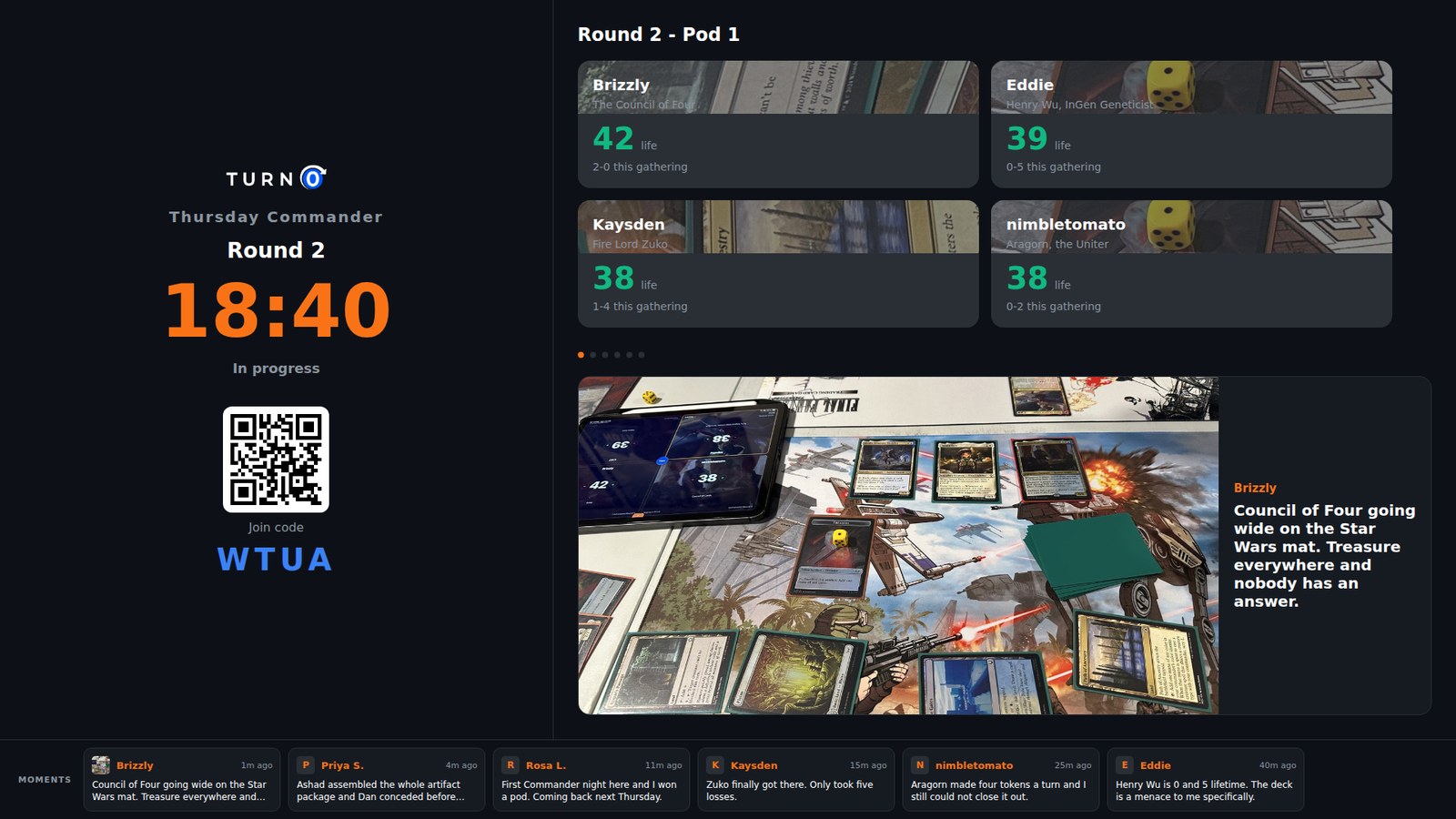
No sign-in, no app, no setup. Point any browser-capable TV at the event's join code and leave it there.
Live standings and every table's current game, rotating on their own. Players stop asking your staff where they're sitting, because it's already on the wall.
An elimination or a huge hit surfaces as it happens. A table across the shop looks up — and that's the moment game night stops being four separate games.
Tonight's photos and highlights cycle where the browsing customer sees them. Your Thursday advertises your Friday.
And the rest of the calendar
Pod size is set per round, so a four-player Commander pod and a two-player Draft pairing are the same operation with a different number. You don't run three tools to run three nights.
When you want a real tournament, rounds keep their own clock, the whole room is assigned in one action, and standings update as results come in. Draft rounds re-pair by standings after round one, so the top tables meet the top tables instead of the same eight people replaying each other.
In the box
How an event runs
The same flow whether it's a dozen players on a slow Tuesday or a full room across a half-dozen pods.
Date, format, pod size, and your EventLink code if it's sanctioned. You get a join code and a QR to put on the counter.
They scan and they're in — deck, name and history already attached for anyone who's been before, and onto Companion while they're there.
Power-matched pods, straight to the tables. Life totals, results and standings keep themselves up to date on the wall while you go back to running the shop.
Work down the Companion roster for anyone outstanding, post the standings and the recap, and you're done before the door's locked.
Two screens, no new hardware
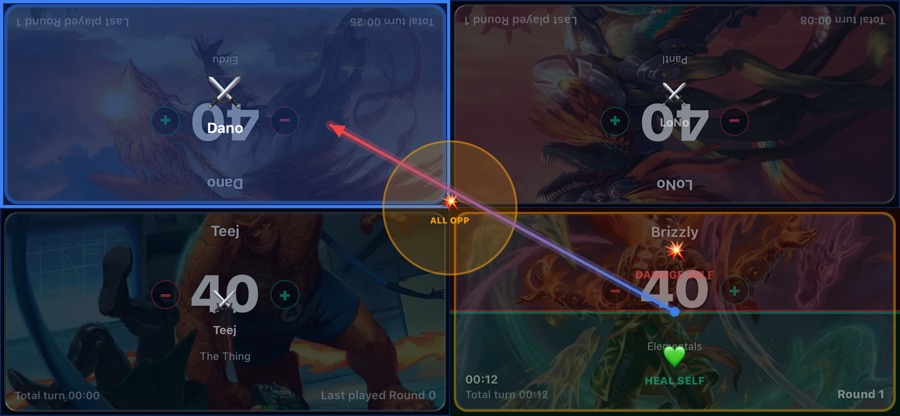
The store console is one screen your host leaves open all night — the floor as it's actually arranged, every table, every waiting player, one glance.
The wall display needs no sign-in and no setup: point any browser-capable TV at the event's join code. Players bring the third screen themselves.
Built for real store events
No per-player fees, no per-event fees, and no limit on how many pods run at once. Your regulars keep their decks, history and stats between visits, so the night you run this week builds on the last instead of starting over.
TurnZero for LGS
$39.99/ month
Unlimited game nights, one store location
Get started
Questions first? Email support@turnzerohq.com
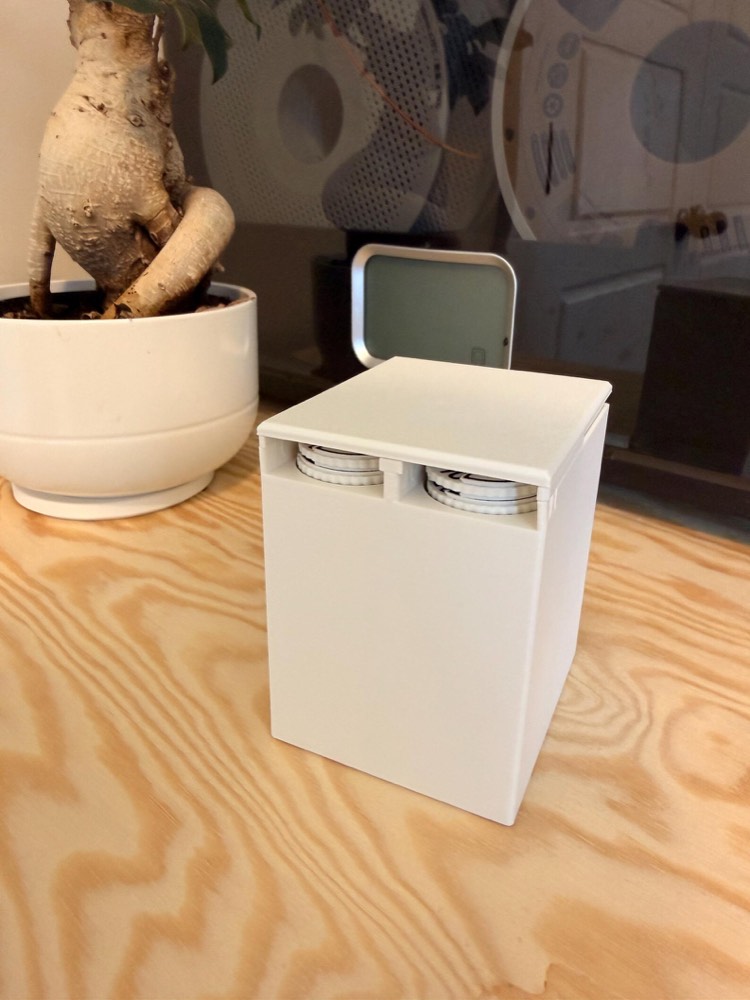
Free demo unit
We'll provide one Commander Cube for your store to showcase. It keeps dice, tokens, counters, and table essentials organized while giving players a hands-on look at the TurnZero ecosystem.
Ask about carrying Commander Cubes in your shop.
Read before your first event
Store setup, opening the doors, and running Commander and draft on TurnZero — written for whoever is behind the counter, not for a player at home.
Account to join code in about ten minutes: your profile, your tables, sections, and staff access.
Opening the event, putting the code where people can see it, and seating the first table.
Pods, walk-ins, power-matched seating, and keeping ten tables moving from one screen.
Splitting the room into pods, Swiss pairings, the round clock, and standings the room can see.
Pods are built by deck power level, so a precon doesn't end up across from a tuned list. Within a power bracket players are shuffled, so your regulars get a different table each week instead of the same four people every time. You can override any seat by hand.
Players are already on their phone to join your event, so getting set up on Companion happens there rather than as a favour asked at the counter. The host then sees a live roster of who's set up, who's confirmed, and who's still outstanding — sorted so the people you need to chase are at the top.
No, and no software can — there's no public Companion API to write to. TurnZero builds the accurate attendance list you reconcile against EventLink, and shows you the gaps while the room is still full. Sanctioned Commander is normally Player List Only, so that list is the whole obligation.
That's exactly who this is for. TurnZero doesn't bring you players — it takes the organizing off your counter so one staff member can run a full room, and gives players a reason to come back next week rather than try the shop across town.
No. Pod size is set per round, so four-player Commander pods and two-player Standard or Draft pairings run on the same system. Draft rounds re-pair by standings after round one.
$39.99 per month, covering unlimited game nights at your store. There's no per-player or per-event fee, and no cap on simultaneous pods.
No. Players join your event free by QR code or join code, on the web or in the TurnZero app on iOS and Android.
What a shop already owns: one counter machine with a keyboard for the console, and a TV on the wall for the display. Players use their own phones.
Set up your store, add your tables, schedule the event, and share the join code. That's the whole setup.